Sanctuary מִקְדָּשׁ
The word that never appears
The word miqdash, sanctuary, never appears in Genesis 2. This page names something the chapter itself never names, so it helps to know up front what the case stands on. Genesis 2 describes what looks like the Bible’s first sanctuary without using the word for one. The rest of the Bible keeps furnishing the same room. The scene’s own evidence goes like this. God walks in the garden (mithhallek). A man is put there to dress it and keep it, the word-pair later used for the priests at God’s tent (abad and shamar). One entrance faces east (east), and cherubim are posted to guard it (cherubim). Gold and onyx lie along the river road, the same metal and stone the priests will wear (the river). A lamp-like tree stands at the center (the two trees). One scene, six sanctuary fingerprints. The word study pages carry the evidence, each one weighing its own case. This page names the building they add up to.
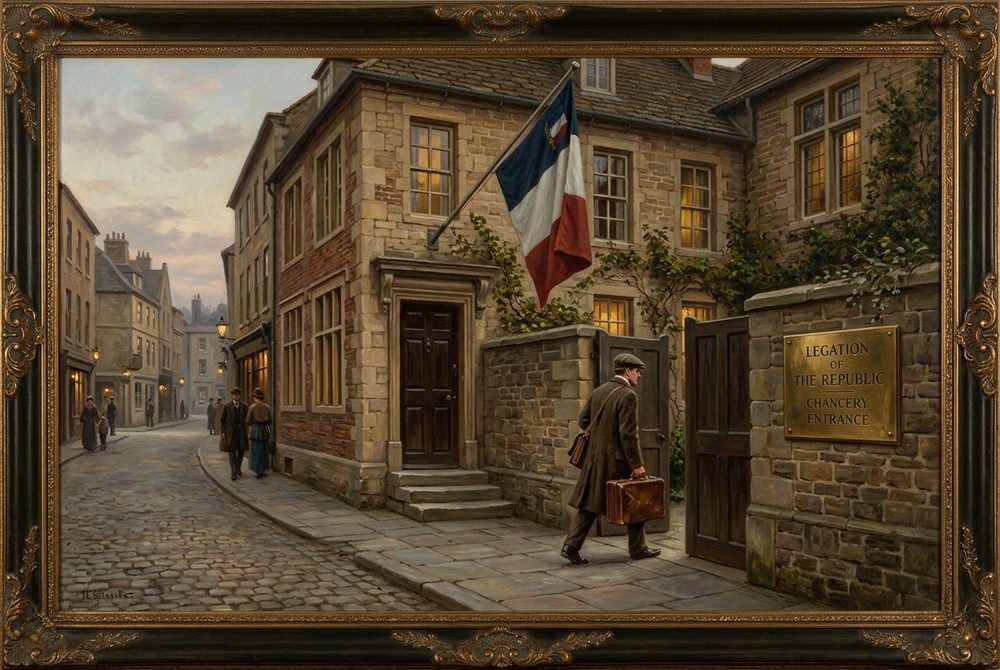
A small building in a foreign capital flies another country’s flag. Step through that gate and you are standing on that kingdom’s own ground, in the middle of someone else’s city. A sanctuary is God’s embassy: his address inside the world. Everything hangs on the moment you cross the threshold.
A made place, so he can dwell
The word’s whole job description, in one verse: a made place, so God can dwell among his people. When Israel finally builds it, the furniture itself echoes a garden: a lampstand shaped like a blossoming tree, cherubim woven into the curtains.
The promise after the breath
This promise comes right after the breath returns to the dry bones earlier in the same chapter (the breath). Breath first, then a house to breathe in, forever.
And when the exiles lost the building altogether, God said something no architecture can say:
Scattered people, no temple in sight, and God himself is their miqdash. The Old Testament says in its own words that a sanctuary was never, at bottom, a building.
The sanctuary becomes a person
The word moves. The sanctuary is no longer a building of stone and gold; it is a person.
The person becomes a people
The person becomes a people: a cornerstone, apostles and prophets for a foundation, and a whole building rising into a house for God. Peter says nearly the same thing in his own words: believers are “lively stones... built up a spiritual house” (1 Peter 2:5).
No building left at all
The arc ends here, and not with a bigger building. It ends with no building at all, because God dwells with his people directly. That is the site’s first and last note (Revelation 21:3: “the tabernacle of God is with men, and he will dwell with them”). Genesis 2 showed what a sanctuary looks like. When that fills the whole world is the reader’s own question to weigh.
Miqdash stands near the sunrise sky’s own presence: the walking God’s address, drawn in stars.
Open this scene’s sky →Genesis 2 describes a real garden, a beautiful home God planted for the first couple; the temple language comes centuries later, with Moses.
Eden is the Bible's first sanctuary: the walking God, the priestly verbs, the east door, the cherubim, and the gold are the tabernacle's fingerprints.
The word miqdash, sanctuary, never appears in Genesis 2. Everything here is a pattern built from the scene’s own furniture. A walking God, a priest’s work, an east door, cherubim, gold and onyx, a tree at the center. Every piece is linked so you can weigh each one yourself. A reader who sees only a garden here can keep that view and still walk every page on this site. Ezekiel’s temple vision (chapters 40–48) holds far more than this page explains: measurements, land lines, offerings. This page does not settle it. The “ye are the temple” texts have their own discussions (person, congregation, or both) that this page doesn’t try to settle either.